
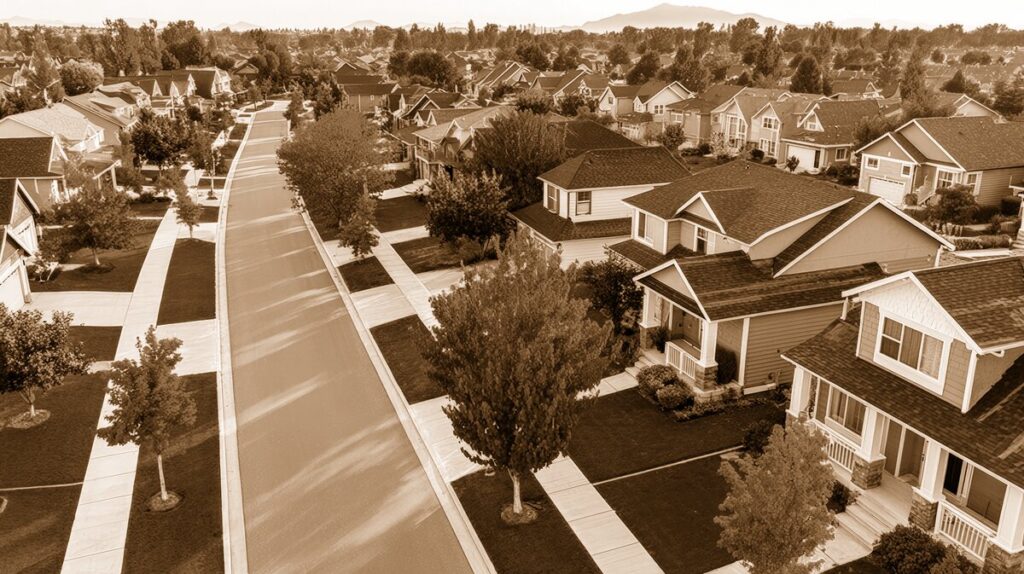
Nestled just north of downtown Worcester, the North Lincoln Street neighborhood is a testament to the city’s layered history and vibrant character. With its modest homes, tree-lined sidewalks, and storied institutions, this neighborhood has woven together generations of families, immigrants, and innovators. Today, North Lincoln Street stands not only as a place on the map but as a symbol of Worcester’s strength, adaptability, and pride. Let’s take a heartfelt journey through the legacy and life of this cherished corner of the city.
The Origins: A Road North from the Heart of Worcester
The story of North Lincoln Street begins in the early 1800s, as Worcester began to spread beyond its downtown hub. Lincoln Street itself was originally named after Major Levi Lincoln, a prominent local politician, lawyer, and farmer, and a member of the influential Lincoln family, whose roots can be traced back to early colonial Massachusetts. The Lincoln family’s legacy in Worcester is significant, with Levi Lincoln Jr. serving as Governor of Massachusetts and his father, Levi Lincoln Sr., holding the position of Attorney General for the United States under President Thomas Jefferson.
North Lincoln Street came into its own as residents began settling in the gently rolling terrain north of Lincoln Square, where Lincoln Street branches away from the commercial bustle. Farmers and tradesmen found ample space to establish homesteads, and by the mid-1800s, a community was flourishing along this pivotal roadway.
From Farmland to Neighborhood: Developing a Community Identity
The area north of downtown Worcester was initially dominated by small farms and open fields. As the city’s industry flourished in the late 19th and early 20th centuries, North Lincoln Street evolved from a rural periphery to a lively residential enclave. Immigrants from Ireland, Italy, and later Eastern Europe found affordable housing in the neat triple-deckers and Victorian homes that sprang up near key intersections, such as North Lincoln and Houghton Street, and adjacent side streets like Paine, Woodford, and Prospect.
The opening of educational institutions and churches helped anchor the neighborhood. The now-historic Assumption University, founded by French Canadian priests and originally located farther south before relocating west, contributed to the area’s reputation as a center for learning and faith. Houses of worship like St. George Orthodox Cathedral on Anna Street became pillars of community life, especially for waves of Lebanese and Syrian immigrants who arrived in the early 20th century.
Key Historical Milestones
North Lincoln Street has quietly witnessed some of Worcester’s pivotal moments:
- Early Trolley Lines: By the late 1800s, electric streetcars connected North Lincoln Street with downtown, spurring both commercial and residential growth. The convenience of these trolley routes made it a desirable address for working families.
- Wartime Contributions: During World War II, the neighborhood contributed many young men and women to the armed forces. Local churches and community centers organized drives for war bonds and supplies.
- Postwar Expansion: The late 1940s and 1950s saw a housing boom, with new homes and businesses rising near the intersection with Burncoat Street and up towards the edge of the former David Clark Company, a notable local employer.
- Integration and Renewal: In the 1970s, North Lincoln Street welcomed a new wave of immigrants and refugees, enriching the neighborhood’s cultural diversity. Efforts in neighborhood beautification and historic preservation brought new life to aging homes and institutions.
Landmarks and Institutions: North Lincoln’s Anchors
A walk through North Lincoln Street and its neighboring avenues reveals a treasure trove of architectural and civic gems. Here are a few to know:
- St. George Orthodox Cathedral: Located just off North Lincoln on Anna Street, this breathtaking church, founded in the early 1900s, reflects the Lebanese and Syrian roots of many residents.
- Regatta Point Park: While not directly on North Lincoln, this beloved city park lies a short walk away, offering access to Lake Quinsigamond’s shoreline—an escape for picnics, boating, and community gatherings.
- Greendale Branch Library: At the northern end of Lincoln Street, the Greendale branch has long been a resource for education, culture, and grassroots gatherings.
- Historic Triple-Deckers: North Lincoln Street and its perpendicular lanes are lined with the classic Worcester triple-decker homes, distinctive for their exterior details and deep porches. These buildings are icons of working-class pride and perseverance.
- Lincoln Street School: Serving generations of children, this elementary school has fostered a strong sense of community identity.
The Neighborhood Today: Blending Old and New
Over the decades, North Lincoln Street has adapted to changing times while retaining its essential character. These days, you’ll find a vibrant blend of long-established families and newcomers from across the globe. Portuguese bakeries, Latin American eateries, and halal markets enliven the commercial strips along Lincoln and Burncoat. Well-kept homes—some lovingly restored and painted in hues from the Victorian palette—sit alongside more modern apartment buildings.
The spirit of community remains central. Block parties, neighborhood clean-ups, and intercultural festivals draw residents of all ages and backgrounds together. The sound of children playing in Burncoat Park, teens dribbling basketballs at the local YMCA, and neighbors exchanging greetings on tree-shaded sidewalks all contribute to North Lincoln’s unique rhythm.
Enduring Pride and Resilience
Ask any longtime resident what makes the North Lincoln Street neighborhood special, and you’ll hear stories of perseverance, friendship, and pride. It’s a place where daily life is built upon the foundations of hard work and mutual care. Where a local school or church is more than a landmark—it’s a source of shared memory. And where, even as broader Worcester has grown and changed, the quiet beauty and enduring strength of North Lincoln Street remain steadfast.
Whether you’re an old friend passing through, a new arrival looking for home, or simply a curious visitor, North Lincoln Street invites you to discover its history, appreciate its resilience, and join in the neighborhood’s ongoing story.